
Modern football is no longer just about tactics and physical prowess; it is heavily influenced by sports science and state-of-the-art infrastructure. The architectural design of a stadium plays a crucial role in creating the optimal environment for athletic competition.
One of the most overlooked yet vital engineering marvels in these mega-structures is the climate control system. Maintaining ideal conditions for both players and tens of thousands of spectators requires immense mechanical power.
This article explores the cutting-edge ventilation technologies that power today’s premier arenas, focusing on how precise environmental control directly enhances athletic performance.
The Critical Shift to High-Efficiency EC Fans in Arena Ventilation
Enclosed sports arenas demand massive airflow to maintain breathable, temperature-regulated environments. Traditional HVAC systems relied on outdated fan technologies, but the industry is undergoing a rapid mechanical evolution.
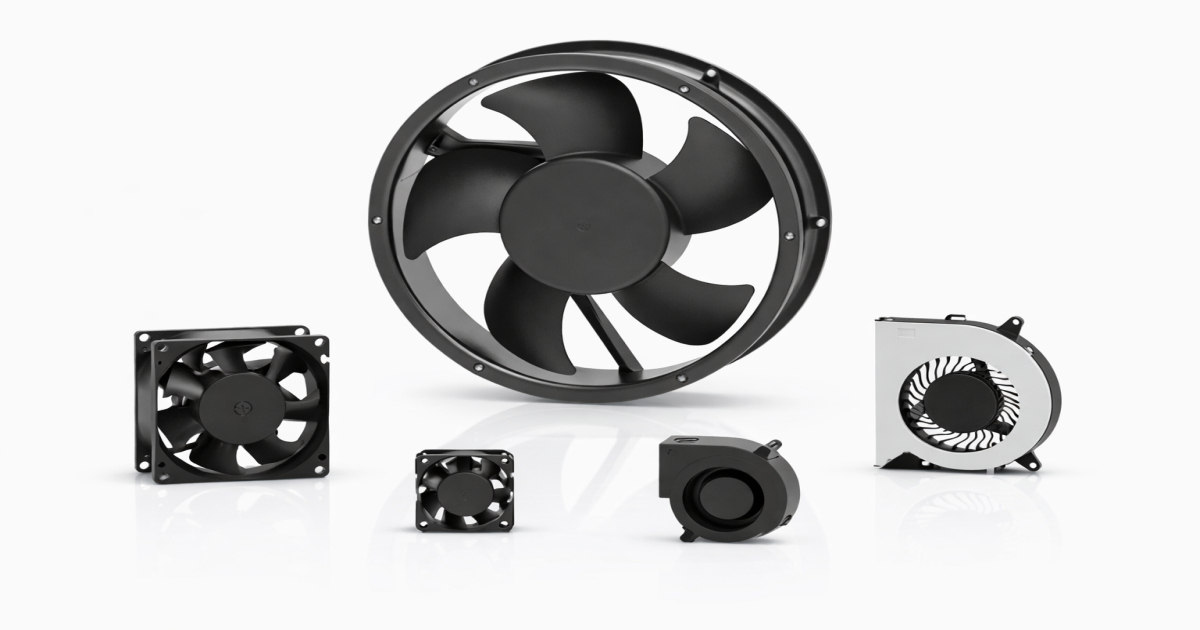
When designing state-of-the-art sports facilities, engineers prioritize energy-efficient components to manage massive airflow requirements without skyrocketing operational costs. Modern ventilation systems increasingly rely on industrial-grade Electronically Commutated (EC) fans rather than traditional AC models due to their superior speed control and reduced energy consumption.
As detailed by leading ACDC FAN, integrating EC technology can reduce an arena’s HVAC energy expenditure by up to 30%, making them a non-negotiable standard in new stadium constructions. These highly efficient fans drastically cut down on mechanical noise while providing precise, on-demand airflow adjustments.
Climate Control and Athletic Performance
The physical exertion of elite footballers generates significant body heat, requiring immediate dissipation to prevent thermal fatigue. Proper stadium ventilation ensures that the microclimate at pitch level remains stable, preventing dangerous spikes in ambient temperature and humidity.
When the air is stagnant or overly humid, sweat evaporation is hindered, leading to rapid dehydration and a drop in stamina. Advanced Air Handling Units (AHUs) continuously cycle fresh air across the pitch, optimizing oxygen levels for peak cardiovascular performance.
- Humidity Control: Prevents the pitch from becoming overly slick and reduces respiratory strain on athletes.
- Temperature Regulation: Mitigates the “heat island” effect caused by enclosed bowl designs and heavy spectator presence.
- Air Purity: Filters out airborne pollutants and particulate matter, ensuring clean oxygen intake during high-intensity sprints.
To understand how modern clubs are investing in these facilities, read more about recent developments in [Internal Link: Football Stadium Infrastructure News].
Key Components of Heavy-Duty Stadium HVAC Systems
Managing the thermal load of 60,000+ cheering fans alongside high-wattage broadcasting equipment requires a heavy-duty, multi-tiered approach. Stadium HVAC architecture is distinctly different from standard commercial buildings.
The backbone of these systems includes industrial-grade Chillers, which cool the water distributed throughout the arena’s pipe network. This chilled water is then fed into massive Air Handling Units, which use high-capacity cooling coils to condition the incoming outside air.
Equally important are the Exhaust Systems, which expel stale, humid air and CO2 generated by the massive crowds. These components must operate in perfect synergy, often managed by sophisticated Building Management Systems (BMS) that adjust fan speeds based on real-time occupancy and weather data.
Case Studies: Ventilation Innovations in the Premier League
The English Premier League features some of the most technologically advanced arenas in the world. The Tottenham Hotspur Stadium, for instance, is renowned for its hyper-efficient, multi-purpose design.
Spurs’ stadium utilizes a highly complex ventilation matrix beneath its retractable pitch to ensure the grass remains healthy while preventing condensation build-up inside the bowl. Their use of automated climate sensors triggers localized airflow adjustments depending on the sun’s position and crowd density.
Similarly, other modern venues are retrofitting their older HVAC infrastructures with variable speed drives and smart thermostats to match these new operational standards. For more insights on how tech is changing the beautiful game, check out our latest analysis on [Internal Link: Sports Technology Advancements].
Future Trends: Sustainability in Sports Facility Engineering
The next decade of stadium construction will be heavily dictated by environmental sustainability. Governing bodies and clubs are facing strict regulations to lower their carbon footprint.
According to global business insights on sustainable infrastructure and green building trends, major architectural projects are now mandated to integrate zero-emission technologies and smart climate control to meet global climate targets.
Future stadiums will increasingly rely on AI-driven climate control, where machine learning algorithms predict weather shifts and adjust the HVAC load preemptively. Coupled with renewable energy sources and ultra-efficient EC fans, the sports facilities of tomorrow will be entirely carbon-neutral.





Leave a Reply